

Genetic Testing for Epilepsy
Why Is Genetic Testing For Epilepsy Important?
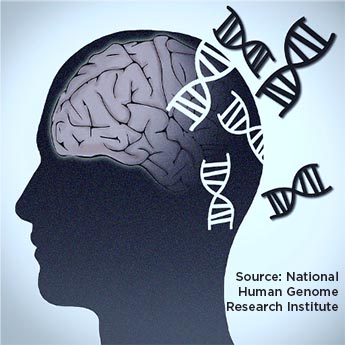
Genetic testing for epilepsy is important to:
- Help identify the cause of a person's epilepsy.
- It may lead to an accurate diagnosis and the best possible medical management.
- Help individuals with genetic epilepsy disorders whose seizures are not well-controlled.
In some cases, a genetic diagnosis may help guide the selection of anti-seizure medications, as there are some known links between certain medications and genetic epilepsy disorders. For example, there is evidence that some medications may work better to control seizures in people with a genetic diagnosis. There is also evidence that some medications may not work well or may cause adverse side effects in people with other types of genetic epilepsies1-3.
In certain cases, a genetic diagnosis may also help to obtain information about long-term outcomes. For example,
- For some genetic epilepsies, seizures may be expected to stop at a certain age, meaning that their doctor may decide it is safe to stop anti-seizure medication4-5.
- The results of genetic testing may help better inform family members of their own risk of epilepsy, and their chances of having a child with epilepsy.
- Having a genetic diagnosis may also make it possible for individuals and families to access other resources. These include support from advocacy groups and peer families for rares.
- It may help lead to participating in research studies specific to genetic diagnosis.
- Obtaining a diagnosis may help an individual or family end what are often long journeys to search for an answer.
Webinar Recording on "Epilepsy and Genetics: The Basics"
Topics Included:
- What are the benefits and limitations of testing?
- What genetic tests are available for people with epilepsy?
- How do I go about getting testing and insurance coverage?
This video is from a recorded webinar in 2020. Experts talk about the expanding field of genetics and how genetic testing can improve care.
Types Of Genetic Testing
There are many types of genetic tests. Some tests focus on
- Individual genes
- Groups of genes
- Chromosomes
"There is no single test that can diagnose all genetic epilepsies."

Because there is no single test that can diagnose all genetic epilepsies, multiple tests may be recommended. Often, testing may be done one after another. This is called “tiered” testing.
Many laboratories offer genetic testing for the epilepsies, but there is considerable variation from laboratory to laboratory. Finally, not all insurance plans cover genetic testing, and some plans may only cover certain types of tests. For all these reasons, it is important that a healthcare provider who is knowledgeable about genetic testing be involved in the process.
The type of genetic testing selected depends on several factors. Below are the most common genetic tests for epilepsy:
Targeted Testing
If there is already a known genetic cause of epilepsy in a person, other family members may have targeted testing to help clarify their risk.
Whole Genome Sequencing
This genetic test involves analysis of the entire DNA code or “genome” to look for DNA changes or “variants” in genes associated with epilepsy. This test is:
- The most comprehensive genetic test currently available and may detect DNA variants that are missed by other testing technologies.
- Recommended by the National Society of Genetic Counselors and the American Epilepsy Society as a first-tier genetic test for individuals with unexplained epilepsy (Smith et al. 2022).
Exome Sequencing
Like whole genome sequencing, exome sequencing is recommended as a first-tier test for individuals with unexplained epilepsy. It involves analysis across the genome to look for variants in genes associated with epilepsy.
Exome sequencing is not as comprehensive as whole genome sequencing as it is limited to the parts of genome that code for protein (the “exome”). People who remain undiagnosed after exome sequencing may obtain a diagnosis through whole genome sequencing.
Epilepsy Gene Panel
This test involves the analysis of the most common genes associated with epilepsy. Facts about epilepsy gene panel:
- There are many types of epilepsy gene panels.
- Some have fewer than 20 genes and others have many hundreds of genes.
- Gene panels will not detect newly discovered genes and are more likely to result in findings of uncertain significance than whole genome or exome sequencing.
Chromosome Microarray
This genetic test involves analysis of a person’s chromosomes (structures that contain DNA). Chromosome microarray tests:
- Check to make sure there are no imbalances that could cause epilepsy. Imbalances include extra or missing pieces of chromosomes, or extra or missing entire chromosomes.
- They are important in specific circumstances such as a second-tier test following exome sequencing or panel testing.
Mitochondrial Genome
This genetic test involves analysis of a person’s mitochondrial genome, which is a separate part of the genome found only in the mitochondria. Facts about mitochondrial genome:
- Mitochondria are small “organelles” in cells that produce energy.
- A person’s mitochondrial genome is inherited from their mother
- Mitochondrial genome testing may be important for individuals with specific clinical features or specific non-genetic laboratory screening results.
How Is Genetic Testing Performed?
There are three ways to perform a genetic test for epilepsy:
- Blood sample- Most genetic tests are performed using DNA extracted from a blood sample.
- Saliva sample- In some cases, a saliva sample or cheek swab sample may be used.
- Skin biopsy- Less frequently, a skin biopsy may be needed.
What Kinds Of Results Can I Expect From Genetic Testing?

Genetic testing for a person with unexplained epilepsy may provide a diagnosis of a genetic epilepsy. It is important to note that not all genetic epilepsies are inherited.
Image source: National Library of Medicine (US) genetics home reference
Positive Test Result
A positive result for someone could mean the following:
- For a person with epilepsy, a positive result means that a genetic change has been identified as the cause of their epilepsy diagnosis.
- For an otherwise healthy person, a positive result could indicate that person is at risk for epilepsy.
- Genetic testing may also give information about reproductive risks and can help clarify if and how epilepsy is inherited in a family.
Negative Test Result
A negative test result for someone could mean the following:
- A negative test result in a person with epilepsy means a genetic cause of epilepsy was not identified using the test performed.
- A negative result does not completely rule out the possibility of a genetic diagnosis.
- In some cases, more testing may be considered.
- Re-analysis of genomic data from testing may result in a diagnosis in the future. It is typically best to wait at least 1 year and preferably 2 years before re-analysis is requested from the laboratory.
Uncertain Test Result
It is also possible to receive uncertain results from a genetic test.
An uncertain result means that a genetic finding was detected, but the meaning of the finding is not known.
These results are referred to as genetic variants of uncertain significance (VUS). A VUS result may be re-interpreted later when more information becomes available. It could end up being re-classified as either negative or positive.
Learn More:
Find a Clinical TrialShould every person with epilepsy have genetic testing?
If a person has epilepsy due to a known cause (such as a brain injury), genetic testing is not likely to reveal helpful information. Genetic testing may be considered for anyone with epilepsy when there is not a known cause. The National Society of Genetic Counselors and the American Epilepsy Society recommend genetic testing for anyone with unexplained epilepsy.
Testing is more likely to identify a genetic diagnosis if the individual has:
- Drug-resistant (difficult to treat) epilepsy
- Other significant neurodevelopmental or neurological symptoms (such as developmental delay, autism spectrum disorder, or movement disorder)
- A strong family history of epilepsy
"Genetic testing may be considered for anyone with epilepsy when there is not a known cause."
Genetic testing is not for everyone. Choosing to have a genetic test is a personal decision that should be made with the help of a medical professional.
Results of a genetic test may have many implications for an individual and their family members. These include medical, reproductive, psychological, and financial implications.
It is important to consider these factors when deciding to get genetic testing. Some people may choose not to pursue testing for these reasons.
Is Epilepsy Inherited?
Heredity (genetics or the physical traits we get from our parents) plays an important role in many cases of epilepsy.
- Not everyone who has a serious head injury (a clear cause of seizures) will get epilepsy. Those who do develop epilepsy may be more likely to have a history of seizures in their family. This family history suggests that it is easier for them to develop epilepsy than for people with no genetic tendency.
- Generalized epilepsy is more likely to be inherited and involve genetic factors than focal epilepsy.
- In recent years, genetic links to some forms of focal epilepsy have been found.
Learn More:
Generalized vs. Focal SeizuresIs Epilepsy Caused by Genetics?

Advances in science and medicine over the last decade have led to a better understanding of the ways genetic factors contribute to epilepsy. Not all epilepsies are due to genetic causes that are inherited.
- Some types of epilepsy run in families, passed down from one generation to the next. These epilepsies are both inherited and genetic.
- Other types of epilepsy may be due to genetic changes that were inherited or happened for the first time in an individual. In such instances, there may not have been any family history of epilepsy. Thus, not all epilepsies that are due to genetic causes are inherited.
- Some forms of epilepsy are due to causes that happen for another reason, like in the case of a head injury. These are neither genetic nor inherited.
Image source: National Library of Medicine (US). Adapted from genetics home reference.
"Not all epilepsies that are due to genetic causes are inherited."
The genetics of epilepsy is an emerging field that is still growing. For some individuals, it is not yet possible to find out whether their seizures are due to genetic factors.
Are There Epilepsy-Related Genes?
The first few epilepsy-related genes were identified in the late 1990s. Advances in DNA sequencing now have identified hundreds of genes that play a role in epilepsy.
- New genes are being identified regularly.
- Some of the genes identified to date seem to be specific to epilepsy.
- Other genes are associated with epilepsy and other issues, such as:
- Developmental delay
- Autism spectrum disorder
- Intellectual disability
There are many different types of genetic tests that may be used to detect epilepsies with a genetic cause as noted above. Individuals with epilepsy should speak with their healthcare providers about genetic testing options.
Genetic Changes
Certain types of epilepsy are associated with specific genetic changes, including changes in an individual gene or changes in a chromosome.
In some cases, the specific genetic change and type of epilepsy are well described in medical literature. For example, individuals with a clinical diagnosis of Dravet syndrome are likely to have a variant in a gene called SCN1A. Usually, the variant in SCN1A is a de novo variant. This means the variant arose in either the egg or the sperm cell and the parents do not have the SCN1A variant.
In many cases, researchers are just beginning to learn about specific genes and the types of epilepsy associated with them. It may be hard to predict an individual’s epilepsy prognosis because more research is needed.
How to Reduce Risks
Learning the facts and understanding the risks of passing it along to your children can help reduce risks. If you have epilepsy, you may worry that your children will have epilepsy, too. However, it’s important to know the facts. The risk of passing epilepsy on to your children is usually low. Epilepsy shouldn’t be a reason not to have children. Medical testing may help people who have a known genetic form of epilepsy understand their risks.
If a child does develop epilepsy, remember that many children can get complete control of seizures. For some, epilepsy may go away.
Most importantly, having seizures and epilepsy doesn’t mean you or your child are any different or less important than anyone else!
Frequently Asked Questions
Will insurance cover the cost of testing?
Each individual insurance plan has its own rules regarding the coverage of genetic tests.
- Most plans require pre-approval or prior authorization before testing.
- Doctors and genetic counselors who order genetic tests can help explain insurance coverage and the cost of the testing.
- Some insurance companies require genetic counseling before providing coverage for a genetic test.
A note on insurance:
There is a federal law called the Genetic Information Non-discrimination Act (GINA). Enacted in 2008, this law provides some protection against discrimination based on genetic information. This legislation is limited, applying only to some health insurance providers and to employers. It does not extend to life insurance or long-term care insurance providers.
Here are some helpful resources to learn more:
Will genetic testing help with treatment?
In some instances, genetic test results play a role in finding the right medical care for a person with epilepsy. Results may help doctors select the best treatment option (such as the most effective anti-seizure medication) and determine the need for additional exams or services.
However, most genetic epilepsies do not yet have a targeted treatment. Being able to identify the exact and best treatments based on genetic diagnosis is a major focus of research efforts. It is likely in the future that this will become more frequent.
What are the chances of inheriting epilepsy?
In general, if a person has a first-degree relative (parent or sibling) with epilepsy, the risk of developing epilepsy by the age of 40 is less than 1 in 20 (Peljto et al. 2014). The risk differs somewhat between focal and generalized epilepsy. There is an increased risk of developing epilepsy if this relative has a generalized epilepsy rather than focal epilepsy (Peljto et al. 2014; Helbig et al. 2016). These estimates come from studies based on an average across a large group and may not apply for all individuals.
The likelihood of inheriting epilepsy may differ significantly if a person has a relative with a known genetic epilepsy diagnosis. In this case, the chance of developing epilepsy depends on the specific gene and inheritance pattern involved.
Does my family need to be tested?
Whether or not testing is recommended for family members depends on many factors. Most importantly, the specific genetic diagnosis and how conditions are passed on. Individuals and families should seek guidance from a medical geneticist or genetic counselor to find out if testing of family members is important.
A positive result on a genetic test may impact family members. Typically, testing may start with close relatives (parent or sibling). Depending on their results, more distant family members may benefit from testing as well.
Are the siblings of children with epilepsy more likely to develop it?
Siblings of a person with epilepsy:
- Their risk is slightly higher than usual. This is from a genetic tendency that may be in the family for seizures and epilepsy.
- Most siblings will not develop epilepsy. Epilepsy is more likely to occur in a sibling if the child with epilepsy has generalized seizures.
- Epilepsy is not “contagious”. People can’t “catch it” like a cold.
If I Have Epilepsy, Will My Children Also Have It?
Most children of people with epilepsy do not develop seizures or epilepsy. However, since genes are passed down through families, it is possible. Here are a few general points to remember:
- Fewer than 2 people out of every 100 develop epilepsy at some point during their lifetime.
- The risk for children whose biological father has epilepsy is only slightly higher.
- If the biological mother has epilepsy and the biological father does not, the risk is still less than 5 in 100.
- If both parents have epilepsy, the risk is a bit higher. Most children will not inherit epilepsy from a parent. The chance of inheriting some types is higher.
What Research Is Being Done to Understand Genetics in Epilepsy?
Research is currently ongoing in many medical centers and laboratories around the world. The goal is to help understand the role of genetics in the development of epilepsy. One long term goal of this research is precision medicine. This means individuals with genetic epilepsies would be treated with approaches specifically targeted to their genetic diagnosis.
Although there are many types of research studies, three main types relate to this field:
- Natural history studies
- Clinical trials
- Functional studies
- Wang D, et al. Glucose Transporter Type 1 Deficiency Syndrome. GeneReviews. March 2018.
- Wirrell EC. Treatment of Dravet Syndrome. Can J Neurol Sci, 2016. 43 Suppl 3: p. S13-8.
- Saneto RP, et al. POLG DNA testing as an emerging standard of care before instituting valproic acid therapy for pediatric seizure disorders. Seizure, 2010. 19(3): p. 140-6.
- Miceli F, et al. KCNQ2-Related Disorders. GeneReviews. Sept. 2018.
- Berkovic SF, et al. Benign familial neonatal-infantile seizures: characterization of a new sodium channelopathy. Ann Neurol, 2004. 55(4): p. 550-7.
Resources
Epilepsy Centers
Epilepsy centers provide you with a team of specialists to help you diagnose your epilepsy and explore treatment options.
Epilepsy Medication
Find in-depth information on anti-seizure medications so you know what to ask your doctor.
Epilepsy and Seizures Helpline
Call our Epilepsy and Seizures Helpline and talk with an epilepsy information specialist or submit a question online.
Tools & Resources
Get information, tips, and more to help you manage your epilepsy.
Related Stories


Press Releases
New Podcast Series Highlights Innovation, Advocacy, and Community Impact at the Epilepsy Foundation of America
Read Story Press Releases
113 Epilepsy Organizations Unite to Express Concerns about Leadership Change at the National Institute of Neurological Disorders and Stroke
Read Story