

Kids
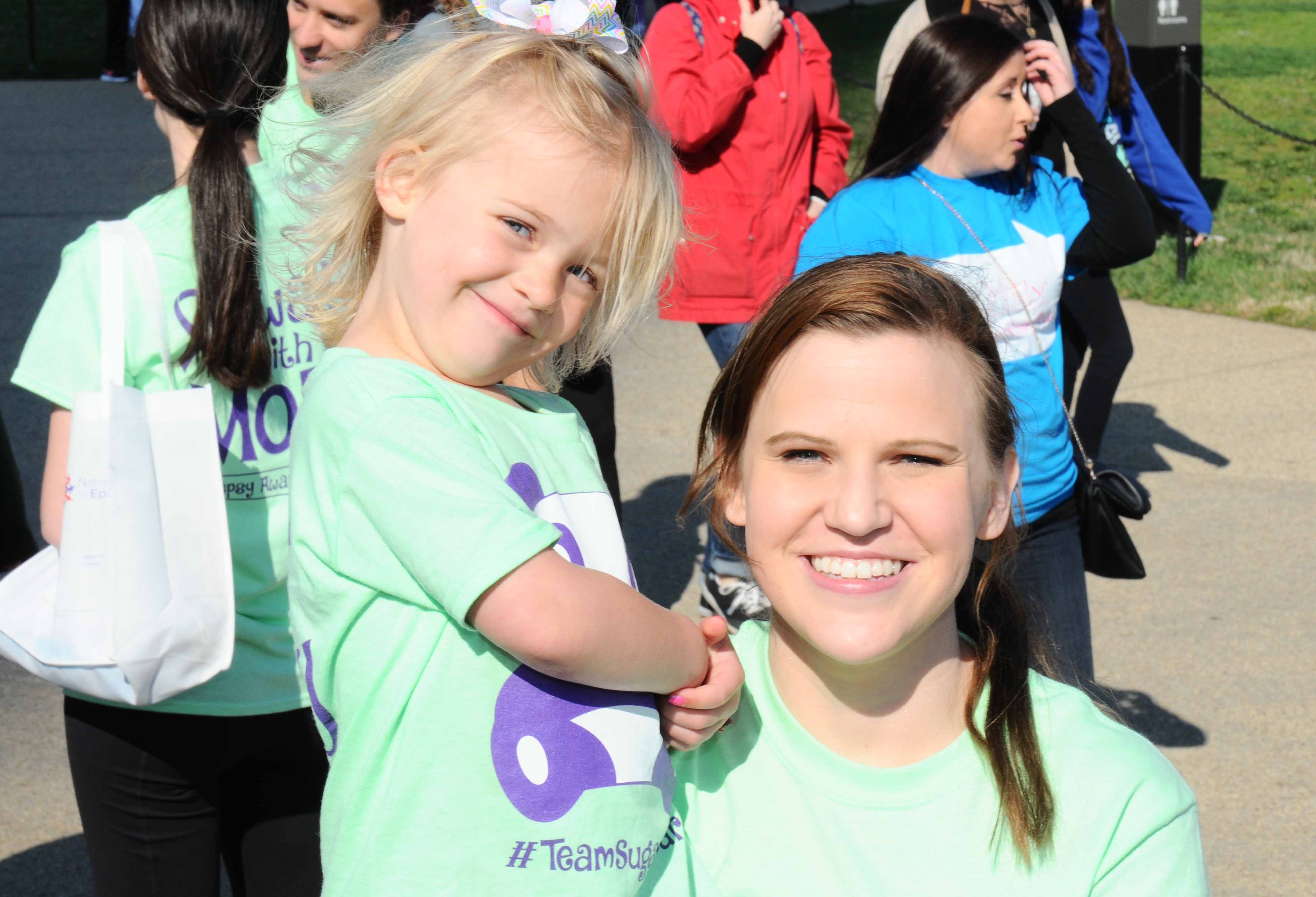
Epilepsy in Childhood
About 456,000 American children under the age of 17 have epilepsy. It affects children at different ages and in different ways. Early recognition and treatment are keys to the best possible outcome.
For some, it will be a temporary problem, easily controlled with medication, outgrown after a few years. For others, it may be a lifelong challenge affecting many areas of life. It may be associated with serious, difficult-to-treat syndromes, including Lennox-Gastaut Syndrome, genetically related conditions and developmental disorders. Social impact in childhood is often severe, producing isolation and loss of self esteem.
Create a Seizure Action Plan for Your Child.
Find More Information:
- Types of Seizures includes a description of seizure types seen in children and information about how to keep track of your child's seizures.
- Seizure First Aid covers what to do if your child has a generalized seizure, when to get medical attention, information about continuous seizures, and tools to help teach others about seizure first aid.
- Diagnosing Seizures describes what your doctor may want to know about your child's medical history and provides helpful tools
- Signs & Symptoms helps parents, teachers and other adults who care for children know the signs of epilepsy.
- Conditions Confused with Epilepsy describes other events that may look like a seizure.
- Causes of Epilepsy in Childhood
- Seizure Triggers in Children describes some things that seem to trigger or cause a seizure in some children so you can watch to see if they affect your child.
- Your Medical Team describes different providers who may be part of your child's medical team and provides resources to manage your team
- Treatment Options describes treatment options for children with epilepsy and questions to ask to be an active partner in your child's care
- Treatment with Medication includes information about finding the right medicine, helping it work and working with your doctor about changes in your child's medication.
- Dietary Therapy describes the ketogenic diet, a very strict diet that helps stop or control seizures for some children with epilepsy.
- Your Child at Home helps the entire family when a child has epilepsy.
- Your Child at School and Child Care provides advice to help you help your child's teachers and other caregivers.
- Playing Sports and Other Activities provides guidance for parents trying to find the balance between a child's safety and his or her ability to enjoy a full range of activities.
Resources
Epilepsy Centers
Epilepsy centers provide you with a team of specialists to help you diagnose your epilepsy and explore treatment options.
Epilepsy Medication
Find in-depth information on anti-seizure medications so you know what to ask your doctor.
Epilepsy and Seizures Helpline
Call our Epilepsy and Seizures Helpline and talk with an epilepsy information specialist or submit a question online.
Tools & Resources
Get information, tips, and more to help you manage your epilepsy.
Related Stories


Press Releases
New Podcast Series Highlights Innovation, Advocacy, and Community Impact at the Epilepsy Foundation of America
Read Story Press Releases
113 Epilepsy Organizations Unite to Express Concerns about Leadership Change at the National Institute of Neurological Disorders and Stroke
Read Story